
Read the full version of the open letter here
The current economic downturn is not Degrowth, even if some people misleadingly call it that. Degrowth means ensuring everybody's basic needs are met by transforming our societies. With policies in place to do that, we could shut down much of the economy for months and everyone would still have enough food, shelter, and healthcare. In a Degrowth society, with relocalized economies, a pandemic like COVID-19 would be less likely, would spread less, and would cause less suffering. The economic crisis triggered by the pandemic is related to our dependence on growth. All interested individuals and organizations are invited to engage in an open debate to re-envision economy and society in the wake of the corona crisis. From May 29 to June 1, the (now online) international conference “Degrowth Vienna 2020: Strategies for a Social Ecological Transformation” will be held, and the Global Degrowth Day on June 6th.Catalan Croatian Danish Dutch French German Greek Hungarian Italian Korean Mandarin Portuguese Russian Slovenian Spanish Swedish Turkish
What's harder? Raising 46.000 Euros in short time or at last starting a big debate about the future of a fossil fuel-dependent region? For the organizing team of the Degrowth Summer School, both were great challenges... Christopher Laumanns reports. With a little help from our friends: how we filled a financial open cast mine... Ten days before the start of the Summer School, which took place...
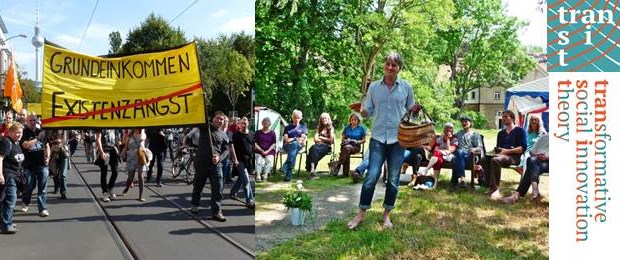
A Study on Transformative Social Innovation There are numerous grassroots movements and initiatives worldwide with the ambition to contribute to transformative change towards more sustainable, resilient and just societies. Many of them have a specific vision on the economy and relate to alternative visions of a ‘New Economy’. The research project TRANSIT highlights four prominent strands of ne...
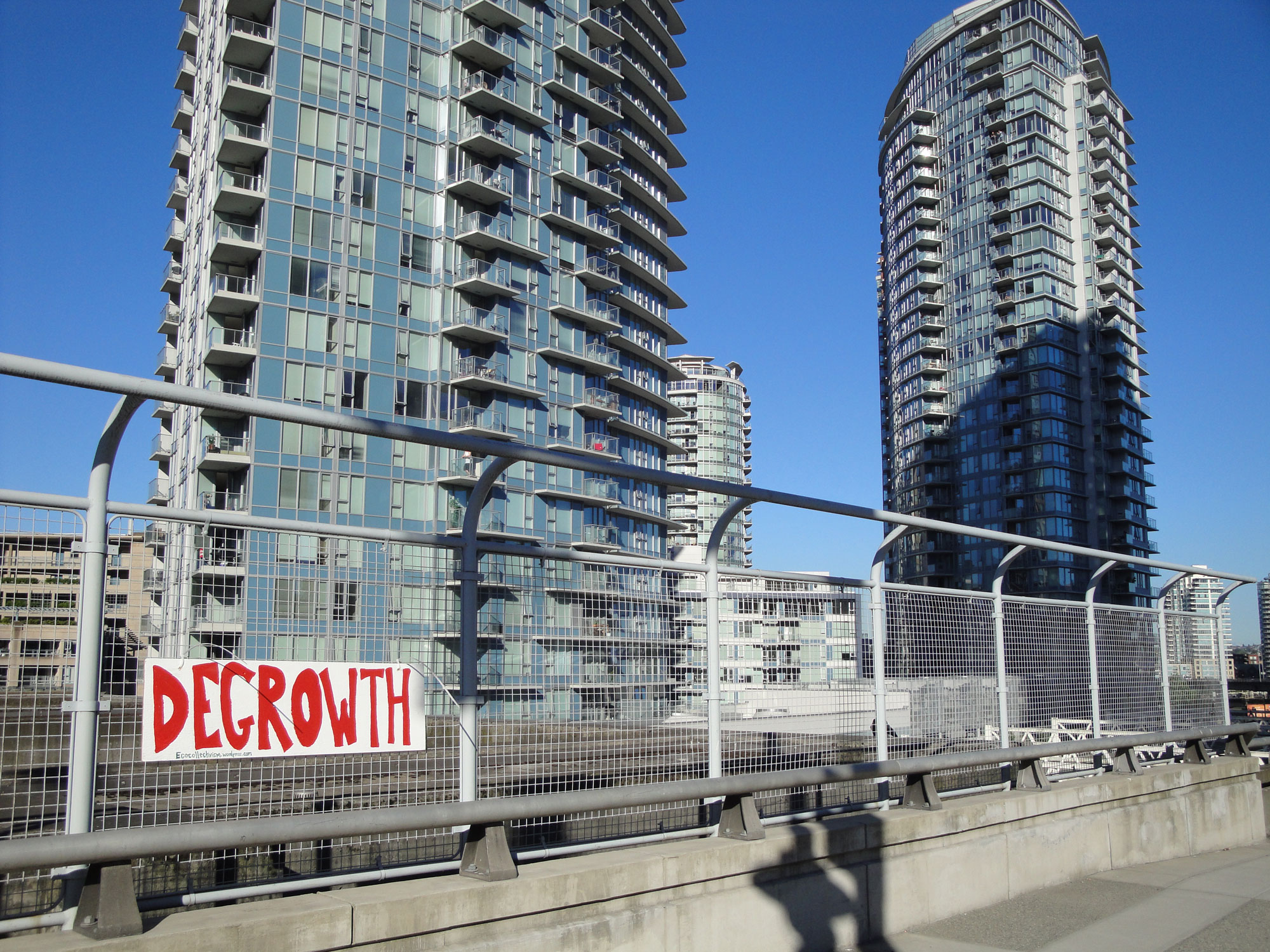
By Giorgos Kallis The ecomodernist manifesto is the latest and most visionary document under the auspices of the ‘post-environmentalist’ think-tank the Breakthrough Institute. I first heard the Institute’s founders Ted Nordhaus and Michael Shellenberger speak at Berkeley some eight years ago, presenting their case for the “death of environmentalism” (hence the ‘post’ prefix). For half of the p...